phronesis / locus / prototypes

prototypes

Product design for the locus stack — concept photos, not shipping hardware.

These are design prototypes: how the P0–P3 units should look and feel if built as quiet instruments. They follow the studio line — sun is the harvest, resonance is the frequency. Nothing here is manufactured or for sale yet. Investor-facing corporate write-ups live on /locus/products.

Photos are generative concept renders for design direction. Real builds follow /locus/build and the lab-log schema — measure what you assemble.

family

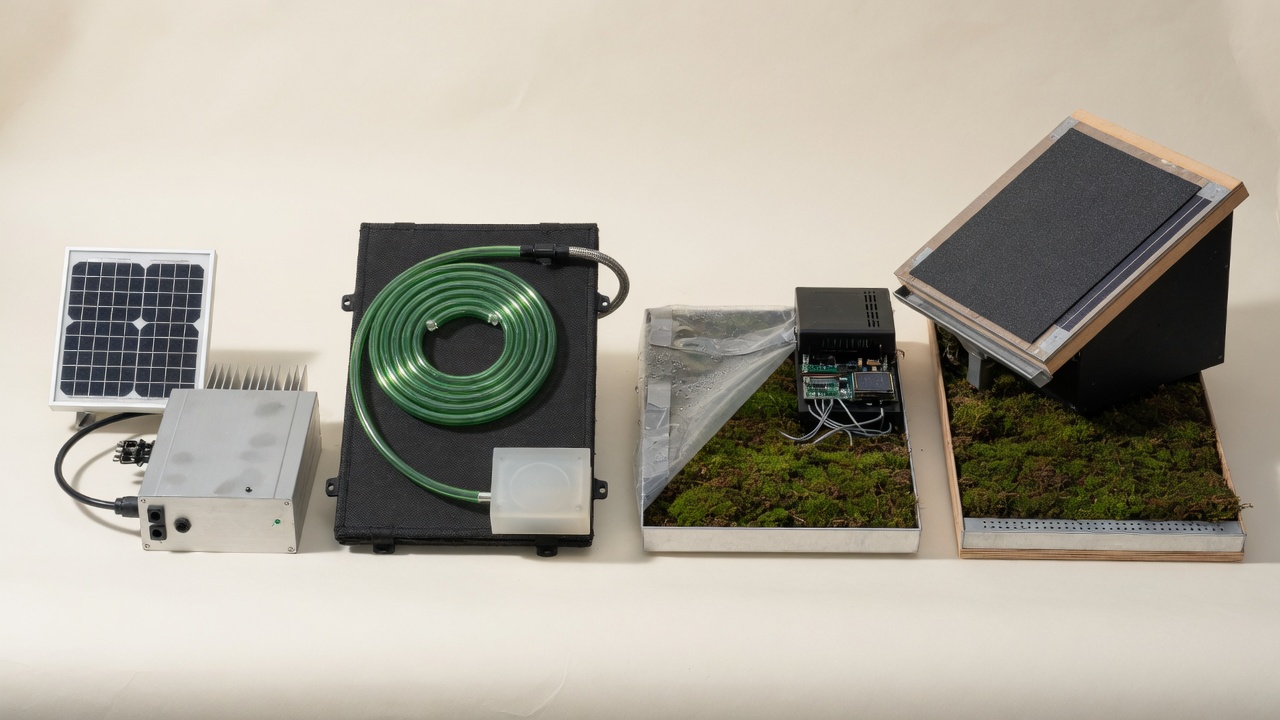
Lineup of four locus energy prototypes on a seamless backdrop

Left to right: match bench (P0), fibre daylight leg (P1), envelope module (P2), roof mock (P3). Shared language — aluminum, paper-white ground, living green only where biology is the claim.

P0

Match frequency

The smallest unit that makes resonance measurable as watts.

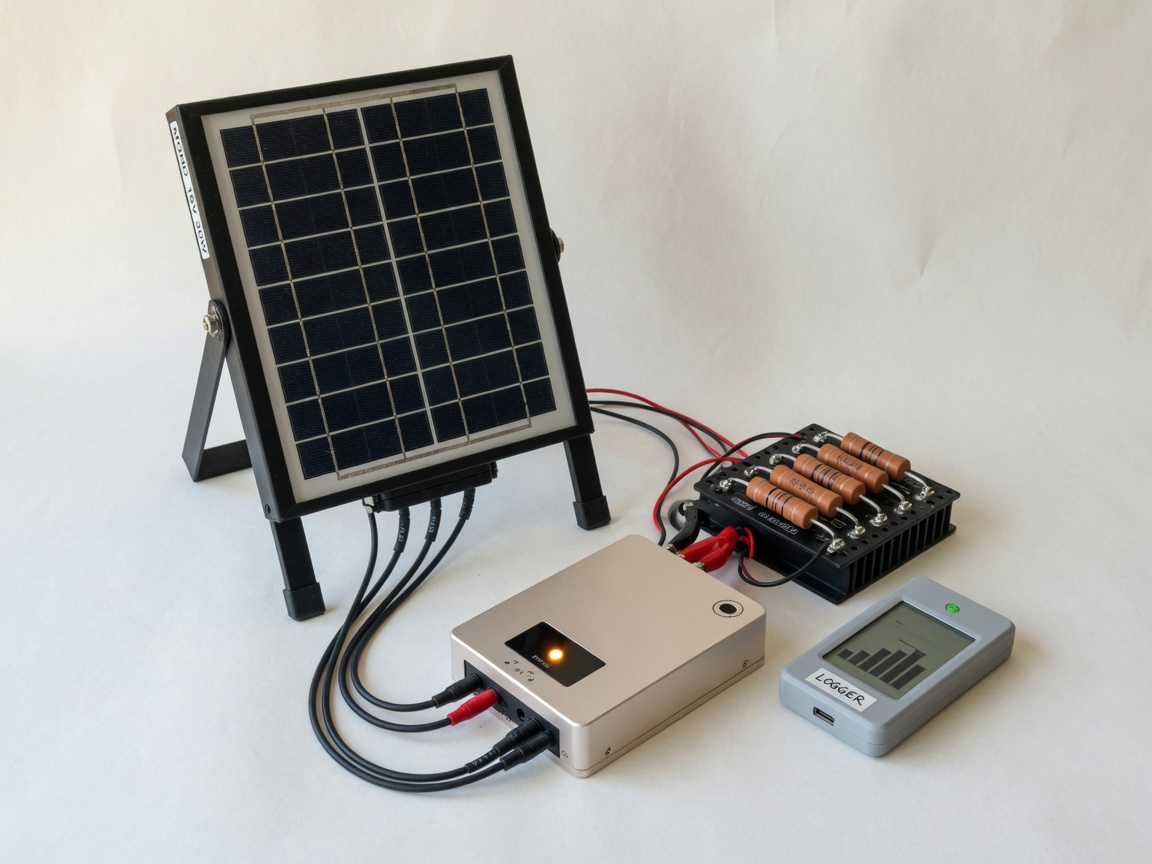
P0 Match frequency — product design prototype photo
formDesk-scale solar panel on a black stand, aluminum MPPT enclosure with single amber status LED, discrete load bank, handheld logger.
materialsMono PV 10–50 W class · anodized aluminum controller shell · power resistors on heatsink · USB logger.
interfacesPanel MC4 or banana · load posts · serial/USB lab-log stream (locus-lab-log/1).
provesUnder comparable irradiance, matched path delivers more energy than fixed load on the same panel.

runbook →

P1

Fibre green window

Light carried as light — the green that long PMMA keeps.

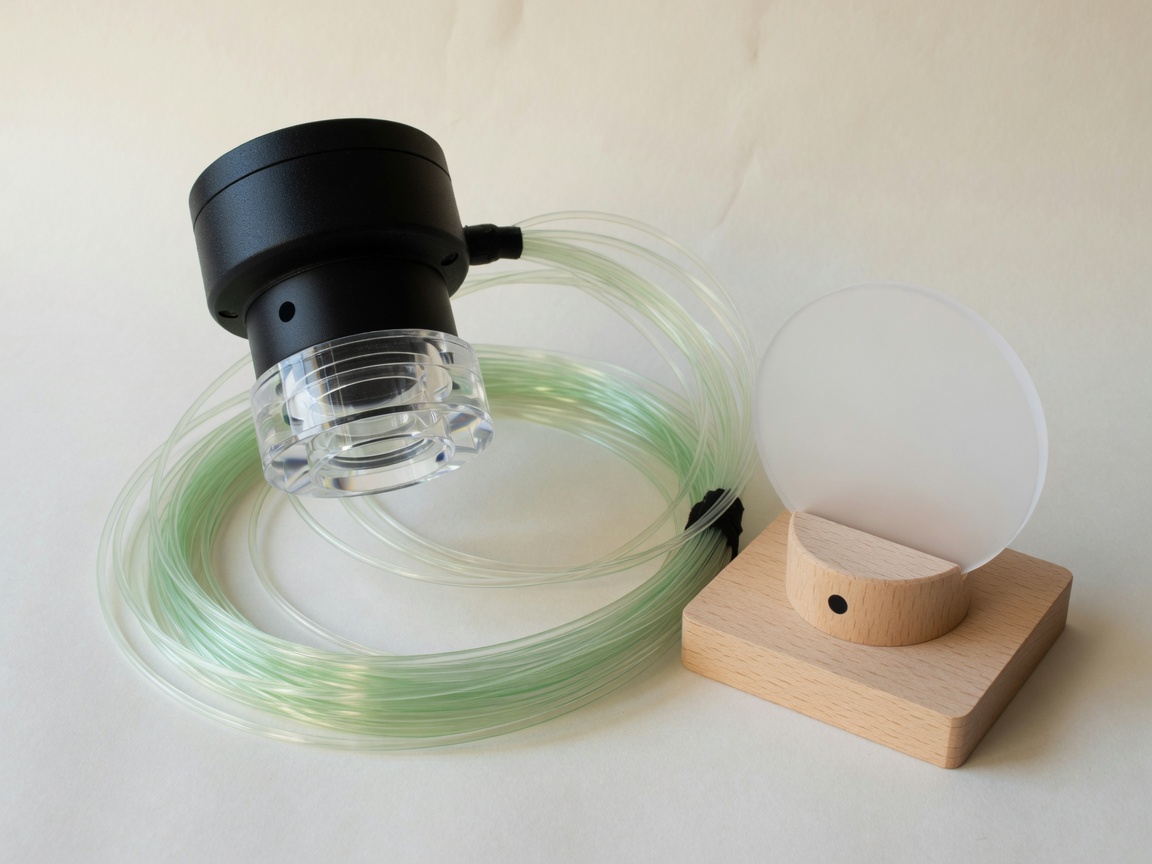
P1 Fibre green window — product design prototype photo
formBlack collector head with clear collimator, coiled PMMA fibre (green-shifted), frosted diffuser on birch stand with ground-state mark.
materialsPMMA fibre 5–20 m · injection or machined collector · frosted acrylic exit · wood or aluminum stand.
interfacesOptical only at exit; optional lux/spectrometer port. No electrical harvest claim on this unit alone.
provesEnd-to-end optical delivery in the tens of percent class; exit spectrum documented as green-heavier on long runs.

runbook →

P2

Envelope module

Couple heat, decouple water — wet life beside a dry bay; algae as biomass battery.

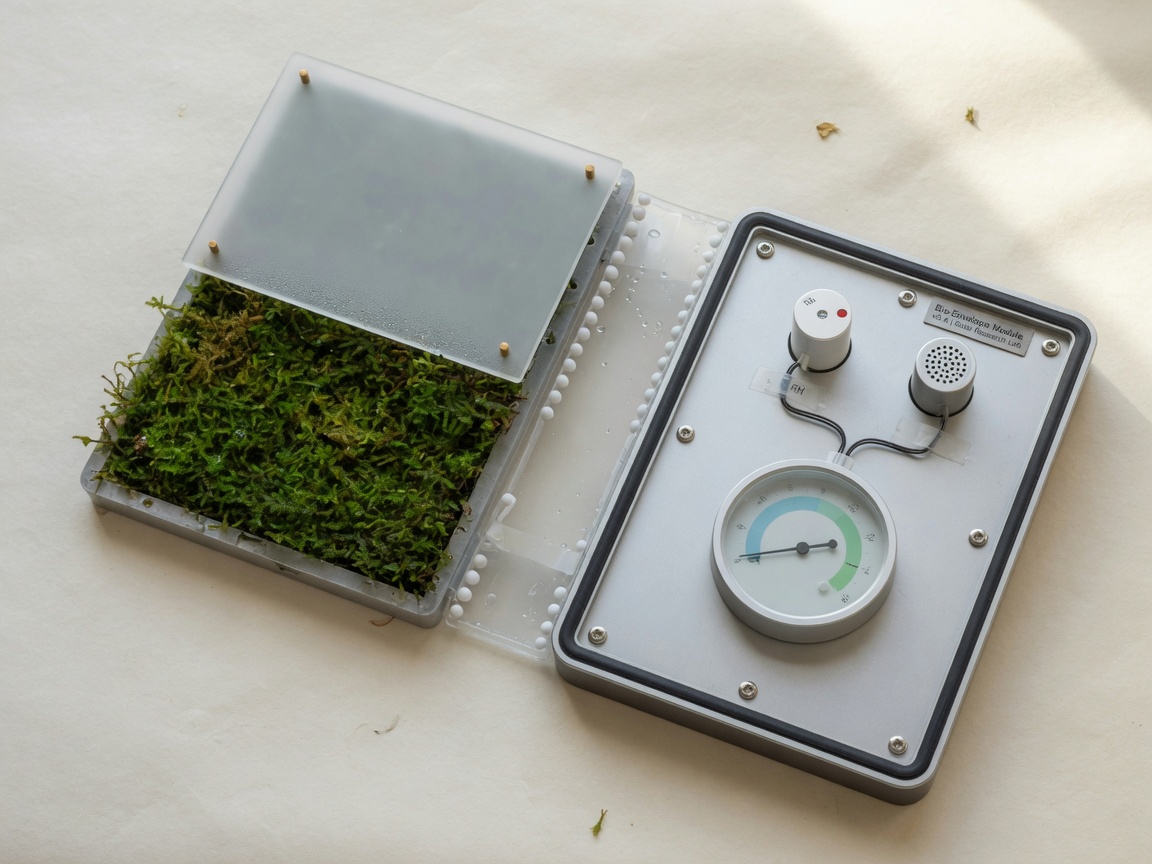
P2 Envelope module — product design prototype photo
formMoss tray and/or algae culture under frosted lid; clear vapour barrier; sealed dry bay with dual climate sensing and abstract RH dial.
materialsInert tray · shade moss and/or green algae culture vessel · acrylic barrier · sealed aluminum or polycarbonate dry enclosure · two T/RH sensors · optional OD path for algae SoC.
interfacesOptional fibre entry from P1; sensor bus to logger; no shared uncontrolled air volume.
proves≥48 h: wet side keeps moss or algae active; dry side stays inside pre-stated RH/dew-point bounds; algae-battery runs log SoC proxy with lux_exit.

runbook →

P3

Roof mock

One unit: collect, carry, live, dry bay — still a bench, not a product SKU.

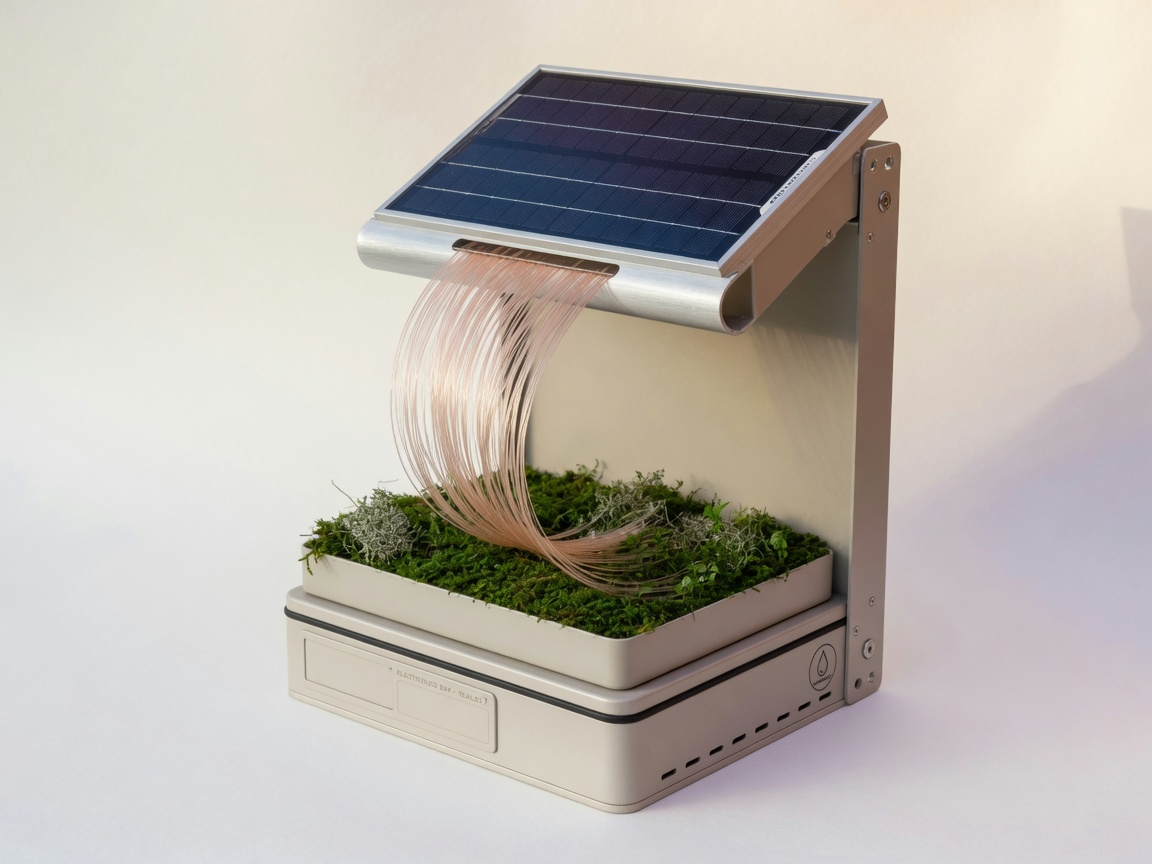
P3 Roof mock — product design prototype photo
formMono panel on aluminum arm, fibre cascade into living tray or culture, dry electronics volume below with vents and service access.
materialsIntegrated frame · PV · PMMA bundle · moss tray and/or algae vessel · sealed bay · outdoor-rated connectors and fuse.
interfacesFull lab-log channels: irradiance, PV power, exit lux, dual climate.
provesP0–P2 pass criteria hold together for one continuous daylight period. No install date claim.

runbook →

design rules

  • Paper-white ground, matte metal, living green only where biology is load-bearing.
  • One status LED max on electronics — amber when matched, dark when idle.
  • Quiet instrument language — aluminum, paper-white, living green where biology is load-bearing.
  • Ground-state mark: black circle only (S₀) — no wordmark required on the prototype.
  • Every photo is a concept until a lab-log with status pass exists for that unit.

assets

build runbooks → · requires → · vegan colony → · phronesis solar →